
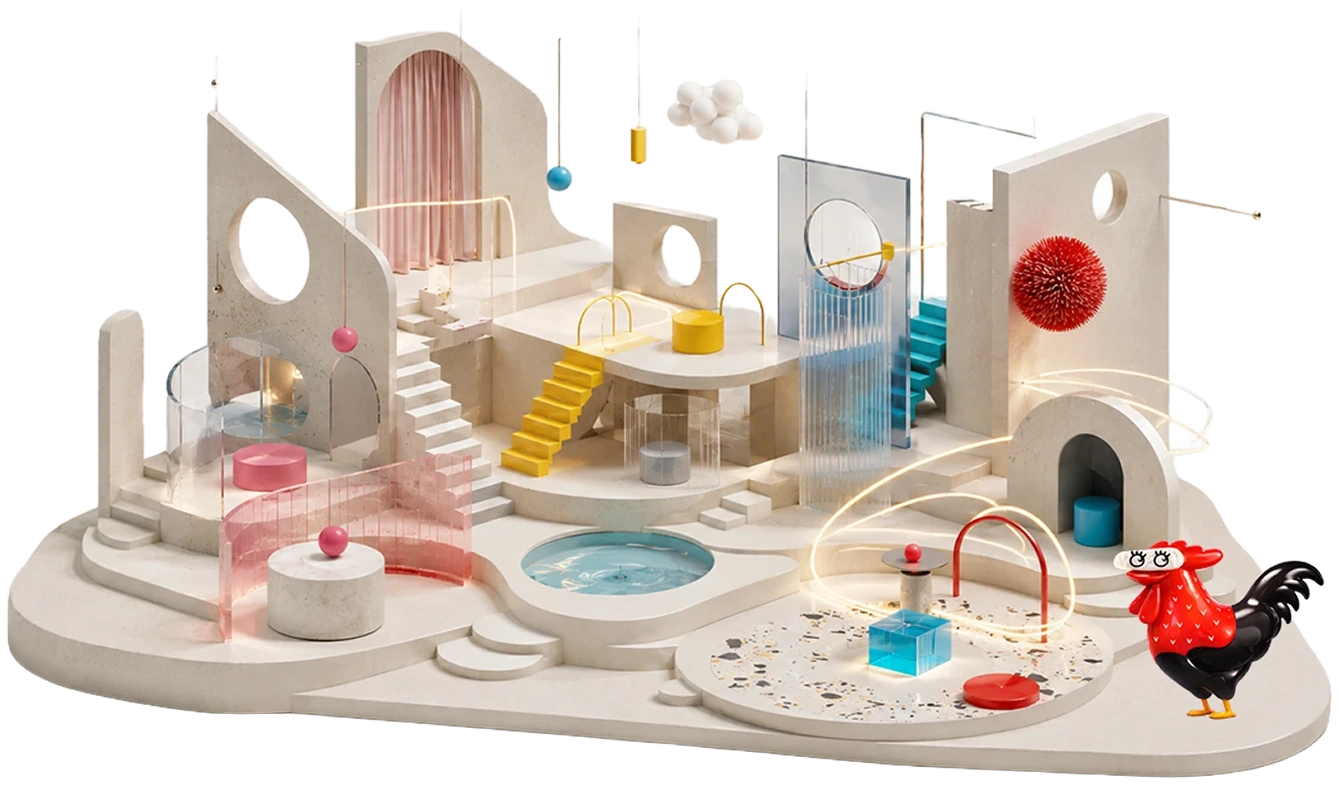
Spatial Design &
Production
A space is never just a backdrop. It's the first thing a visitor feels before they read a single word — and at HALUU, it's where the brand story actually begins.
We turn ideas into worlds. Every project starts the same way: shaping the creative strategy, defining the visual language, and mapping the spatial journey an experience will take visitors through — long before a single wall goes up.
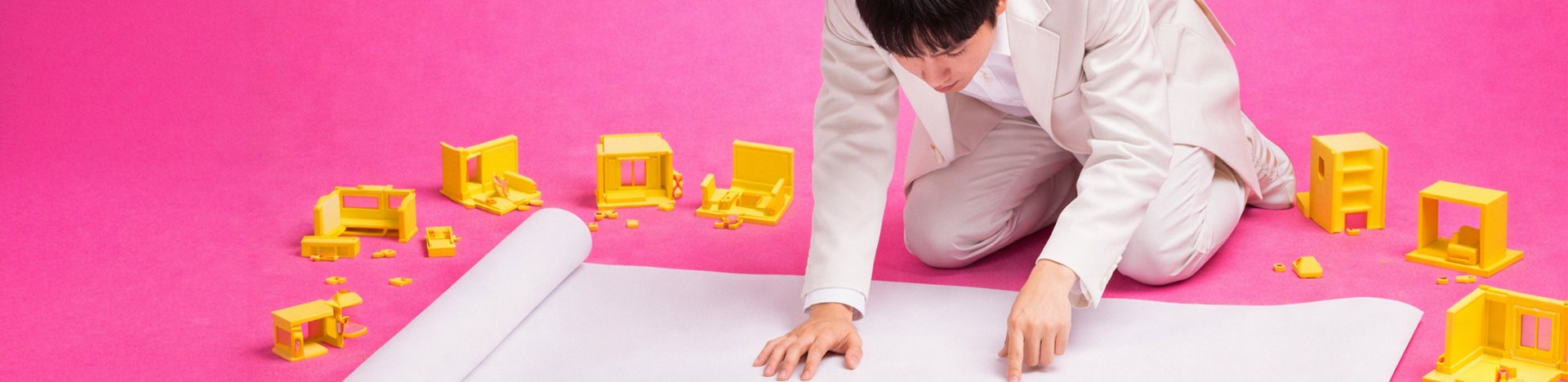
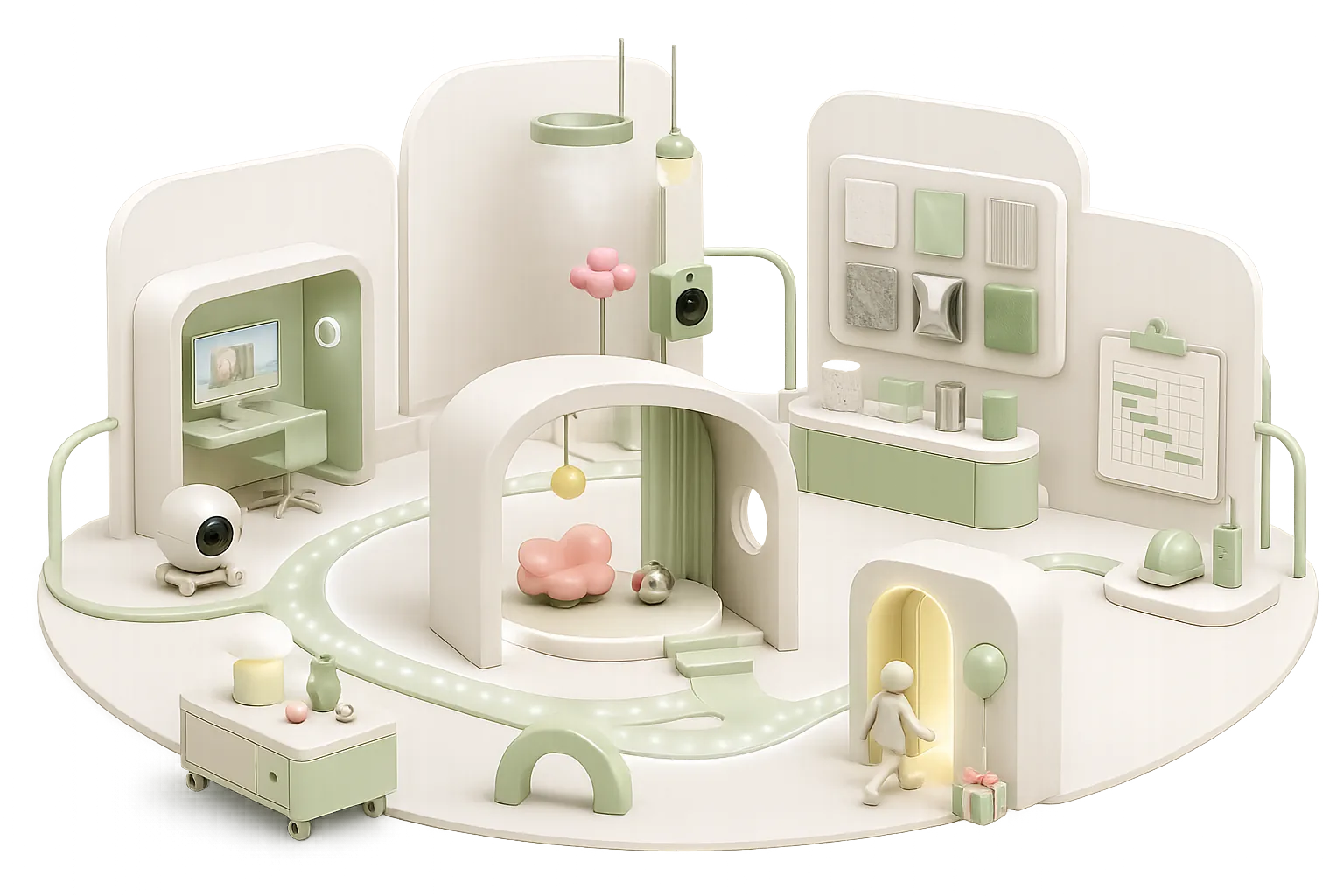
From there, the work moves into production: visualization and rendering to test the world before it's built, multisensory design across sight, sound, scent, and touch, material exploration that decides what a space feels like under the hand, and technical planning that gets it all standing on schedule and on budget. Styling carries the story through to the smallest detail — because the difference between a space people walks through and a space people remember is almost always in what's easy to overlook.
The result is never just a build. It's an environment with atmosphere, interaction, and meaning engineered into its bones — designed to captivate on arrival, surprise somewhere in the middle, and leave something behind long after the visit ends.
Our Selected Projects
Secret Garden Experience by HALUU
We love translating scent into space
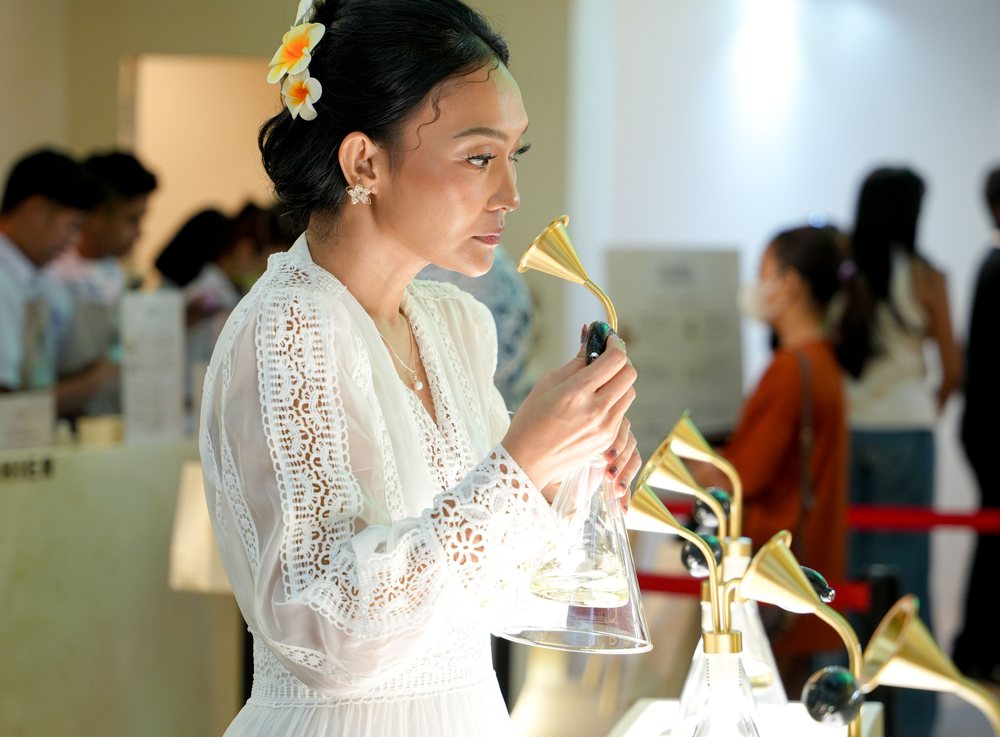
For around a decade, HALUU has been turning ideas into worlds people can walk through — and Secret Garden Experience by HALUU is one of the clearest examples of why. We took eight signature fragrances from a single brand and translated each one into its own sculptural environment, proving that a scent doesn't have to stay in a bottle to be remembered.
HALUU translated Secret Garden's campaign message by turning Bali's spiritual and healing ethos into a physical, walkable environment — where each of the eight fragrance stories was told not through copy, but through light, scent, texture, sound, and taste working together. The result wasn't a shopping experience. It was a journey: visitors moved through emotion and sensation first, and the product followed naturally from there.
Multisensory by design
Most fragrance launches ask visitors to smell a card. We built eight zones that engage sight, sound, touch, taste, and scent at once — because a fragrance is never just a fragrance. It's a feeling, and feelings need a space to live in.
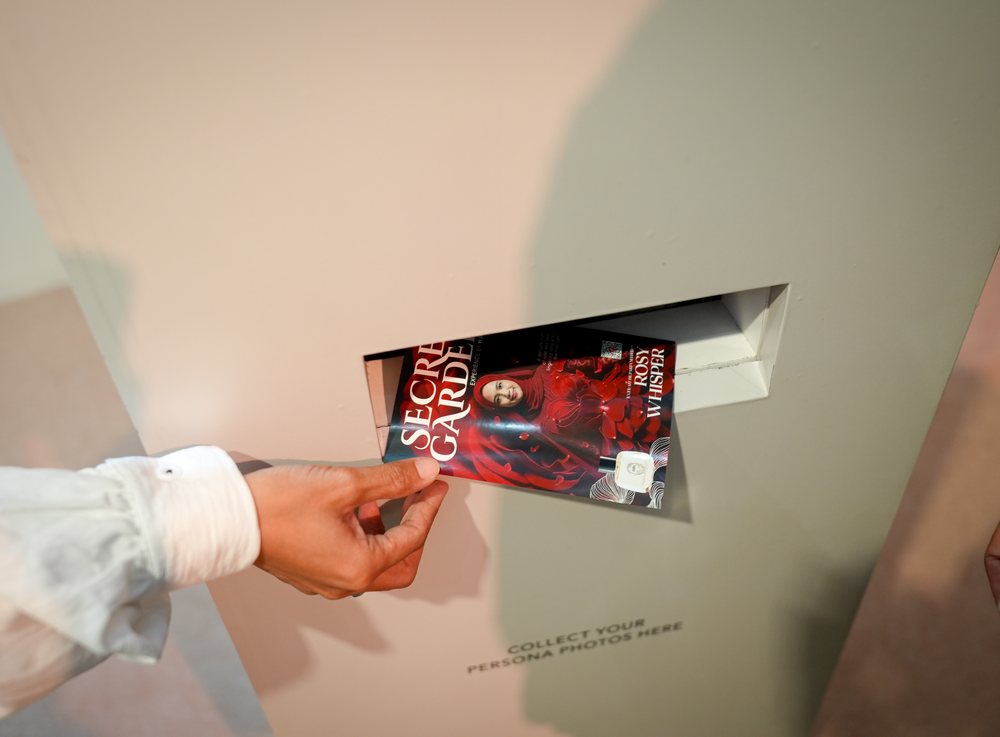
Personal, not generic
Through an AI Perfume Persona Photobooth, every visitor left with something specific to them — their own "scent character," not a brand's idea of who they should be.
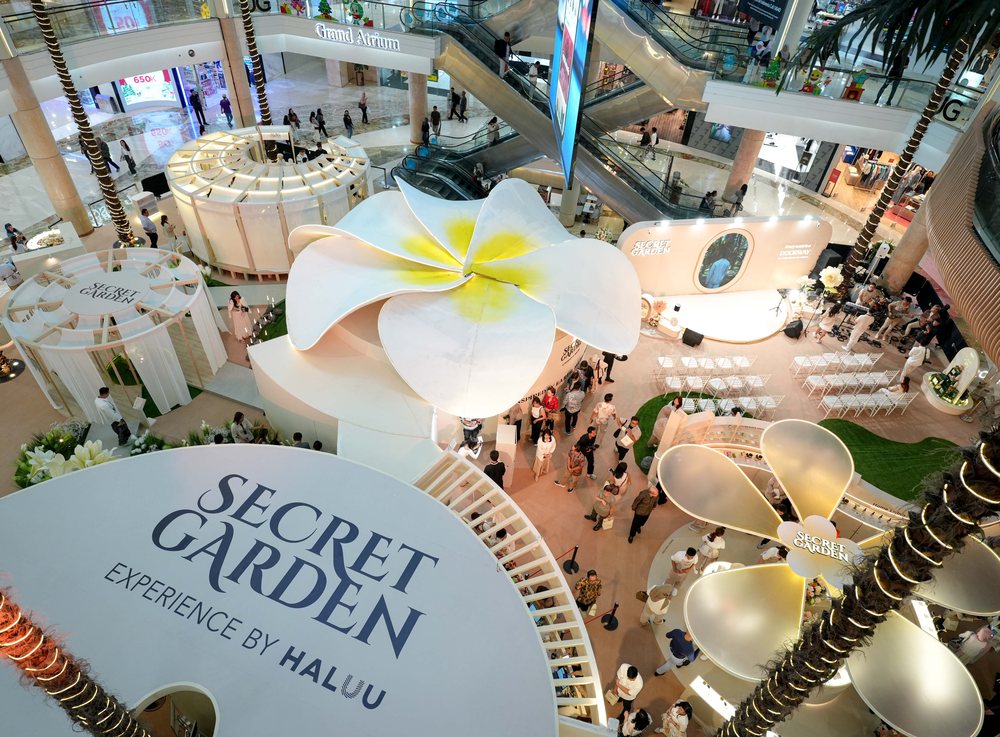
Accessible by intention
We designed the experience with free admission, no purchase required — because the kind of immersive storytelling usually reserved for luxury campaigns should be open to everyone who walks through the door.
"A space is never just a backdrop for a brand.
At HALUU, it's where the story actually begins."
GLOW & LOVELY
GLASSMAZE
We love turning ingredient claims into spaces you can step inside
Most skincare campaigns ask consumers to imagine what a product feels like. Glow & Lovely's Glassmaze Experience let nearly 12,700 visitors actually feel it — by translating every ingredient benefit into a physical, walkable metaphor.
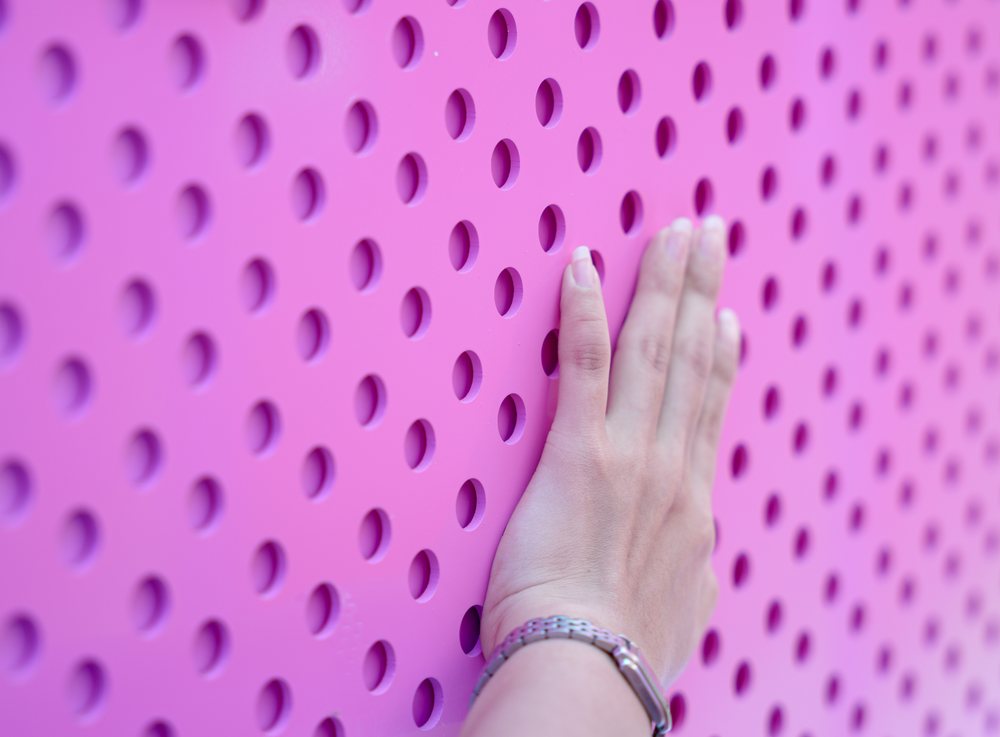
Texture, made tangible
In the Smooth Gallery, visitors ran their hands across a panel that shifted from rough to smooth — the closest a touch panel has come to explaining what a serum claims to do for skin.
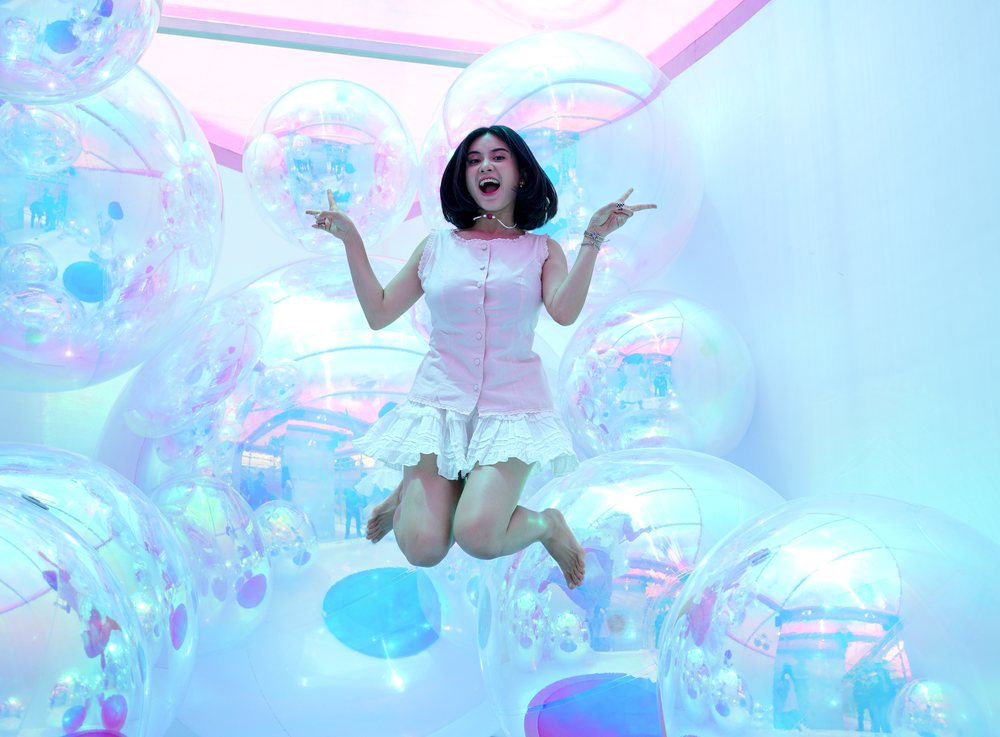
Bounce, made playable
A literal bouncy zone let Gen Z visitors jump and play their way through hyaluronic acid's "bounce" — turning a chemistry term into a physical sensation.
Brightness, made visible
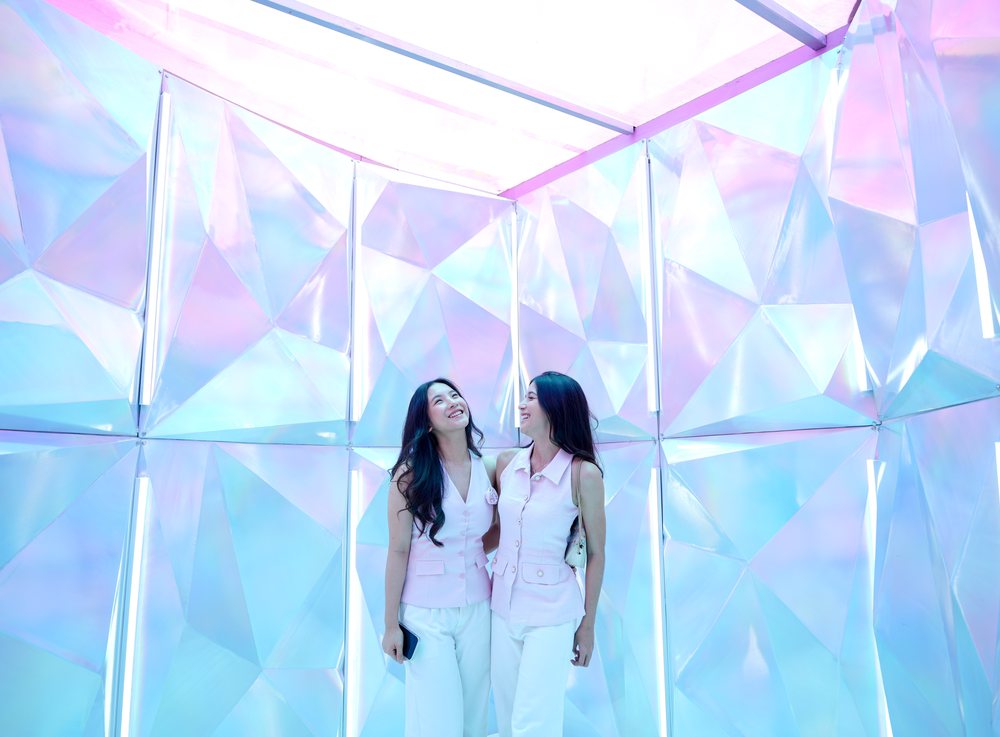
The Iridescent Hall used colour-shifting, light-mapped surfaces to stage niacinamide's brightening effect as something visitors could see change around them in real time, before the product itself was ever revealed.
"The First Beauty Mirror" wasn't a tagline. It was the literal design brief — an eight-zone glass maze where every wedge of the radial floor plan built toward one final reveal: the product itself, floating at the centre, as the source of the glow visitors had just walked through.